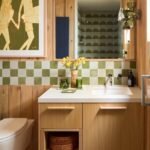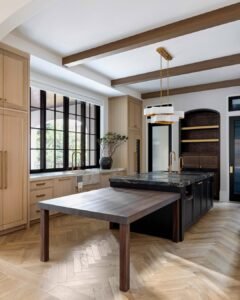
For the last two decades, the “open-concept” floor plan has reigned supreme. We tore down walls, installed massive islands, and lived our lives in one giant, breezy rectangle. But as we move through 2026, a shift is happening. The sledgehammers have been put away, and homeowners are rediscovering the quiet magic of a closed kitchen.
While we still love a social home, the “great room” fatigue has officially set in. Here’s why the traditional kitchen—complete with four walls and a door—is making a major comeback.
*We do not use any AI pictures in our articles, all images are 100% real.
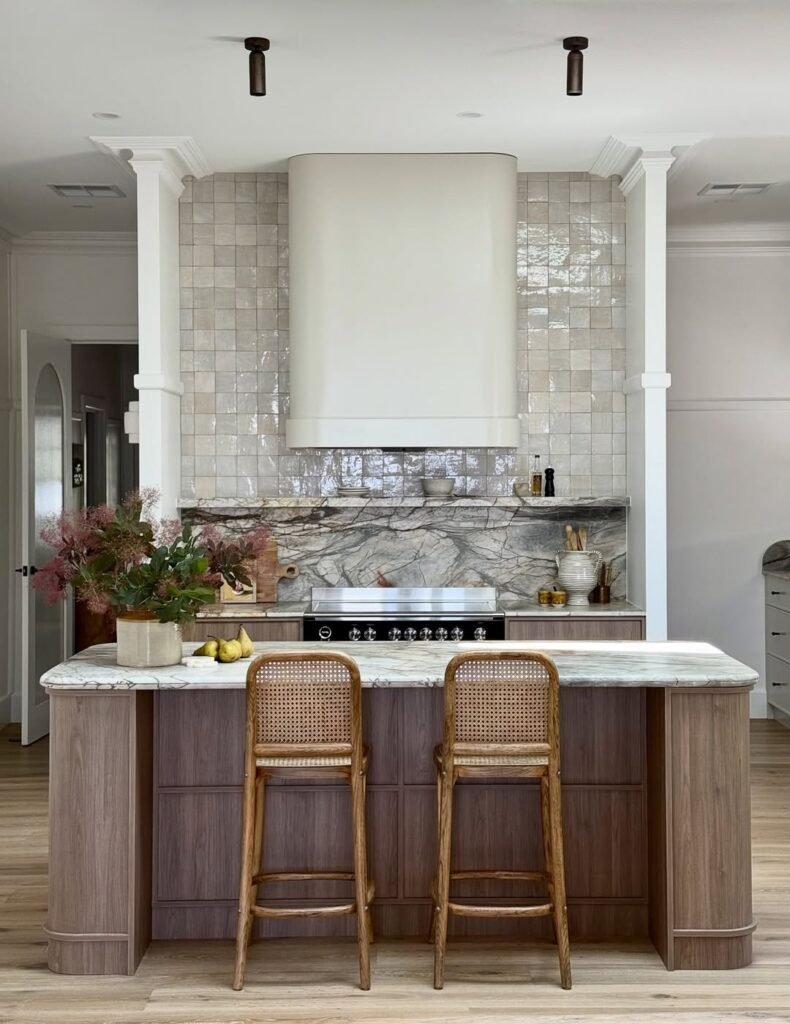
1. The “Messy Kitchen” Sanity Saver
Let’s be honest: Unless you live in a showroom, cooking is messy. In an open-concept home, your dinner party guests are staring at the lasagna-crusted pans while you eat. In a closed kitchen, you can simply… close the door. It provides a visual boundary that allows the rest of your home to remain a sanctuary of calm, even if the “back of house” is currently a disaster zone.
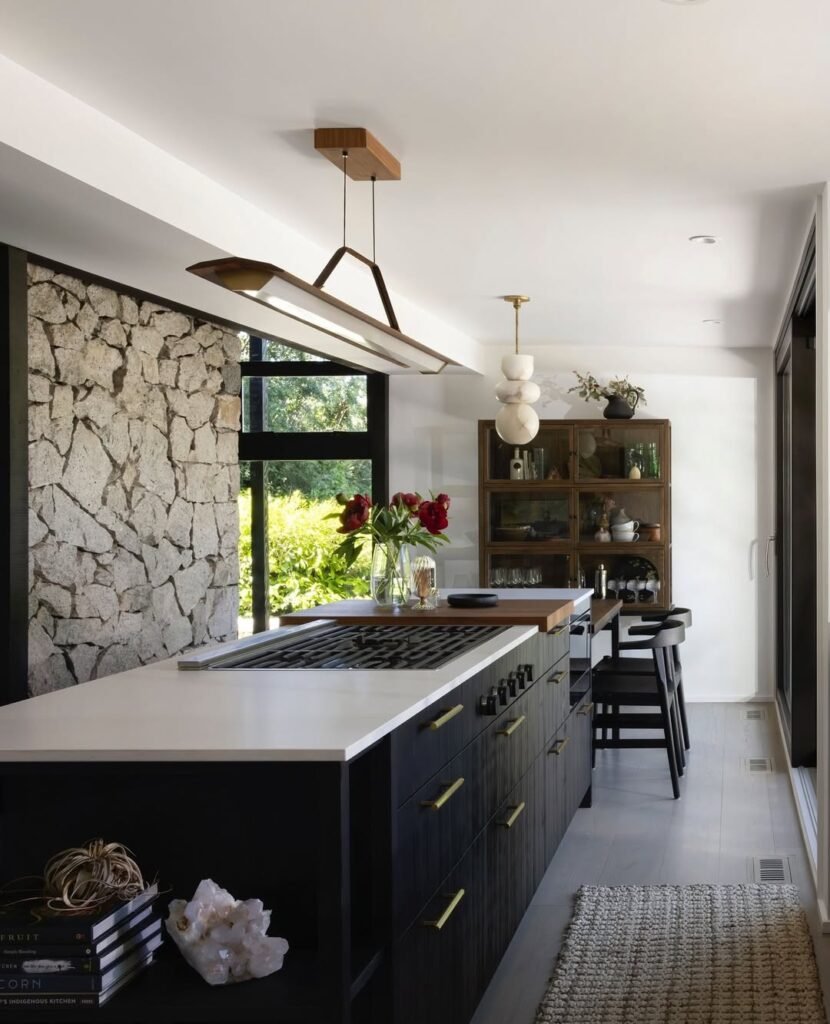
2. Quiet, Please!
The “open” life means the roar of the dishwasher, the hum of the fridge, and the clatter of the Vitamix are now the soundtrack to your living room. With more of us working from home and seeking “quiet zones,” the closed kitchen acts as a much-needed sound barrier. It turns the kitchen back into a functional workspace rather than a noise polluter for the entire floor.
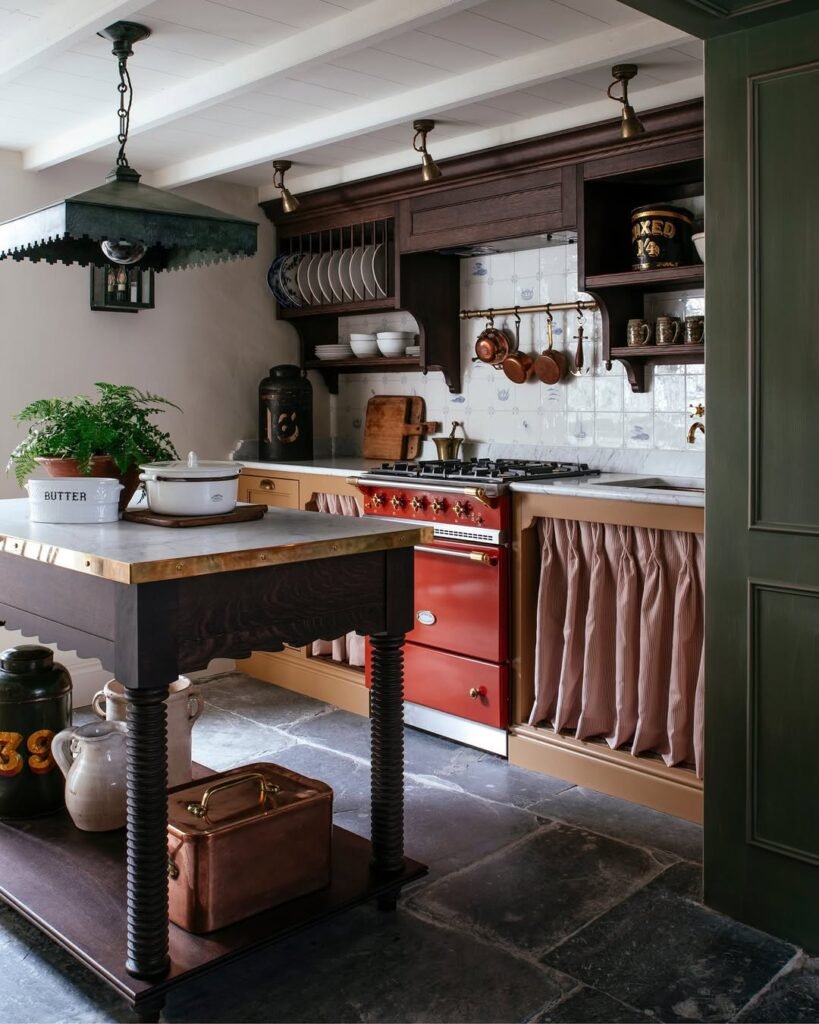
3. A Return to “Jewel Box” Design
From a design perspective, open kitchens have to “match” the rest of the house. You’re limited to neutral palettes that don’t clash with the sofa. A closed kitchen, however, is a playground. Because it’s a contained space, you can go bold—think moody Narragansett Green cabinets, patterned floors, or statement wallpaper that would feel “too much” in a giant open space. It’s a chance to create a high-design jewel box that has its own distinct personality.
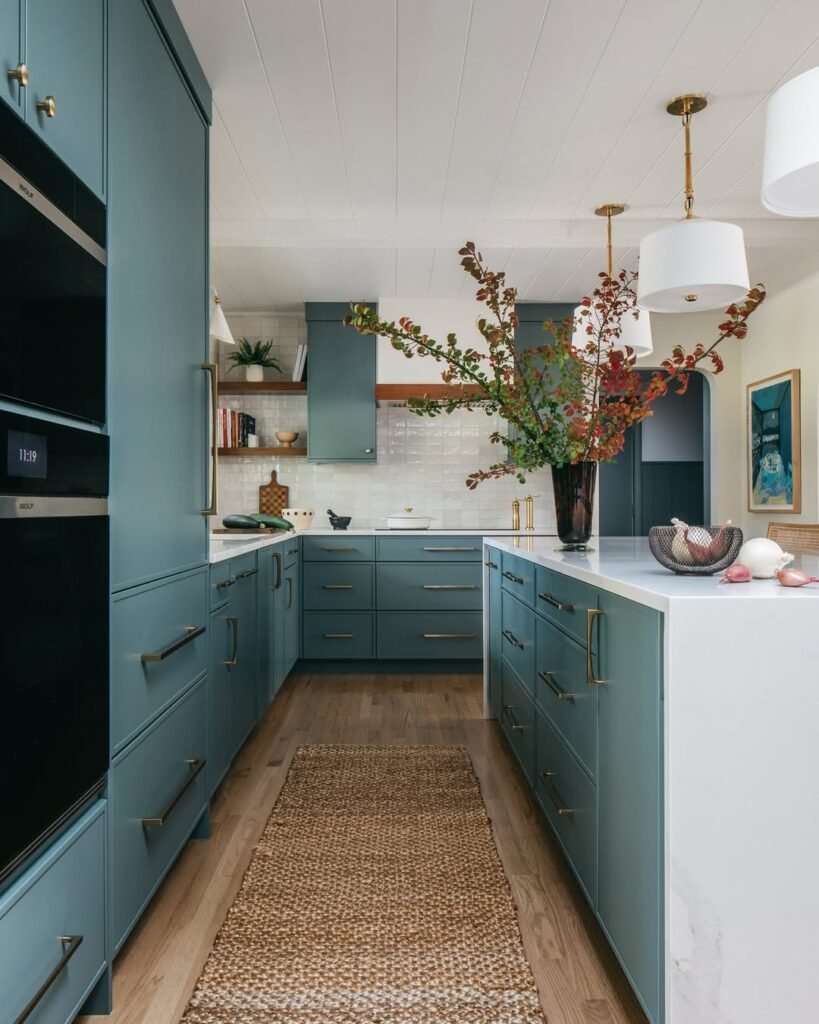
4. The Aromatherapy (and the Smells)
We love the smell of baking bread, but the lingering scent of last night’s pan-seared salmon in the upholstery? Not so much. Closed kitchens, especially those with proper 2026 ventilation systems, keep cooking odors where they belong. It’s a practical way to keep your soft furnishings smelling like home, not like a hibachi grill.
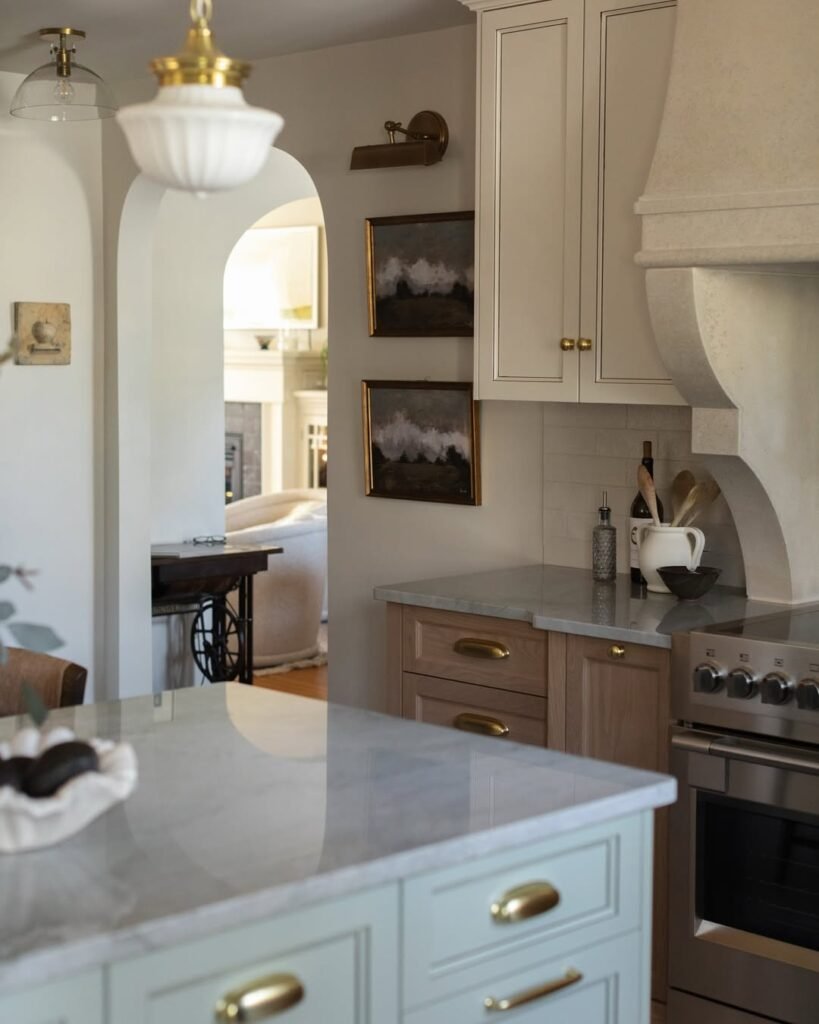
5. Intentional Connection
The biggest fear of the closed kitchen is “missing out” on the conversation. But designers are finding that defined spaces actually lead to more intentional connection. Instead of shouting across a 40-foot room, guests wander into the kitchen to help, or you finish the prep and then fully “leave” the kitchen to join the party. It creates a rhythm of work and rest that the open plan often blurs.
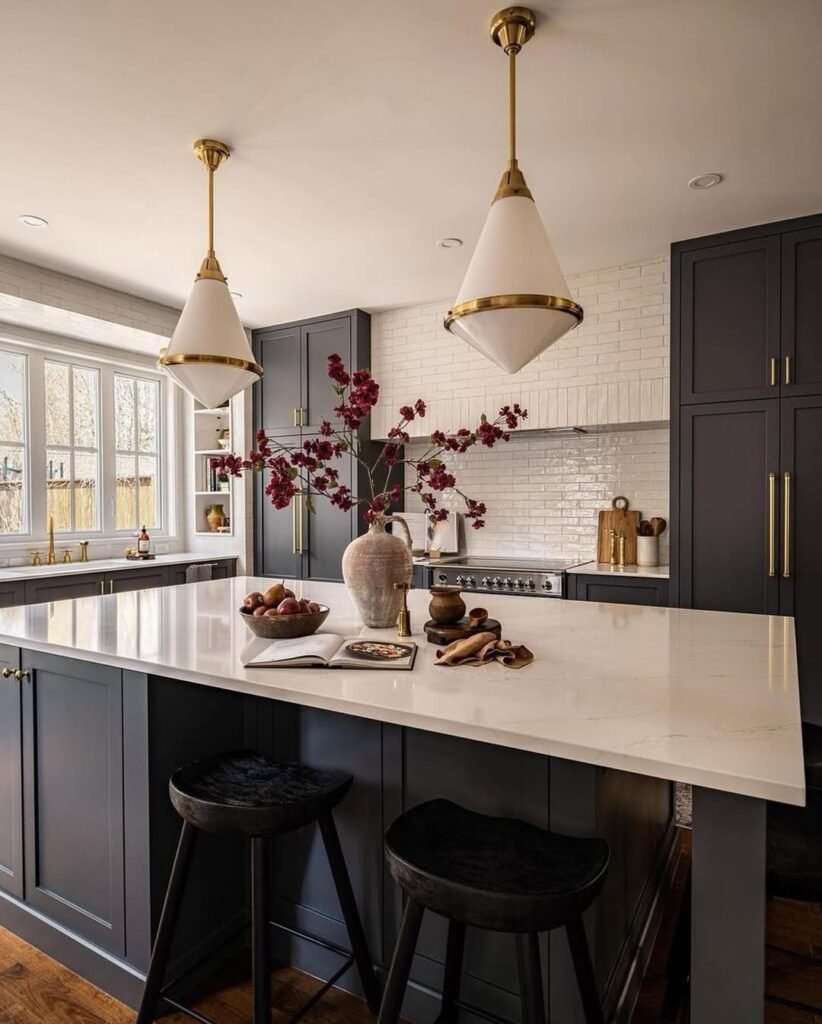
If you’re not quite ready to commit to a full-blown construction crew and a literal wall, the “semi-closed” kitchen is the 2026 design answer to your prayers. It’s all about creating visual and acoustic boundaries without making your kitchen feel like a subterranean bunker.
Here are the best “best of both worlds” solutions we’re seeing right now:
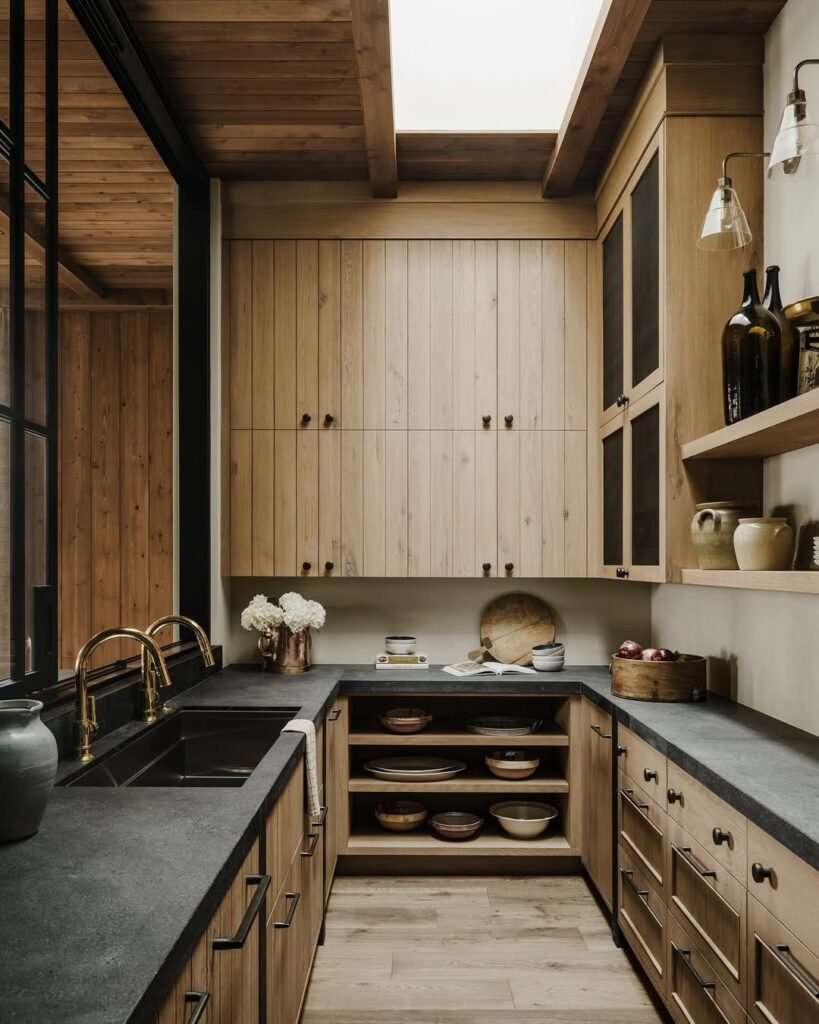
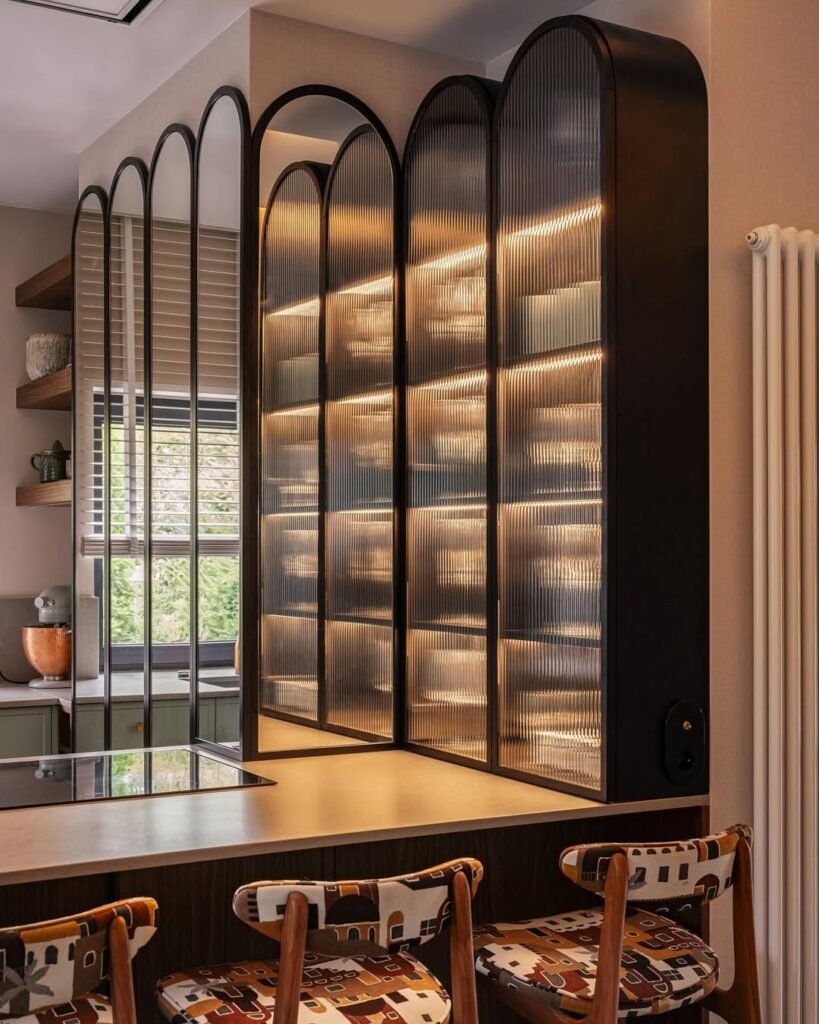
1. The “Internal Window” (Steel and Glass)
By replacing a portion of an open wall with a steel-framed glass partition, you keep the sightlines and the light flowing, but you trap the noise and the smells. It’s like giving your kitchen its own chic jewelry box.
- The 2026 Twist: Use fluted or reeded glass. It blurs the “dish mountain” on the counter while letting the glow of your kitchen lighting through.
2. High-Utility Pocket Doors
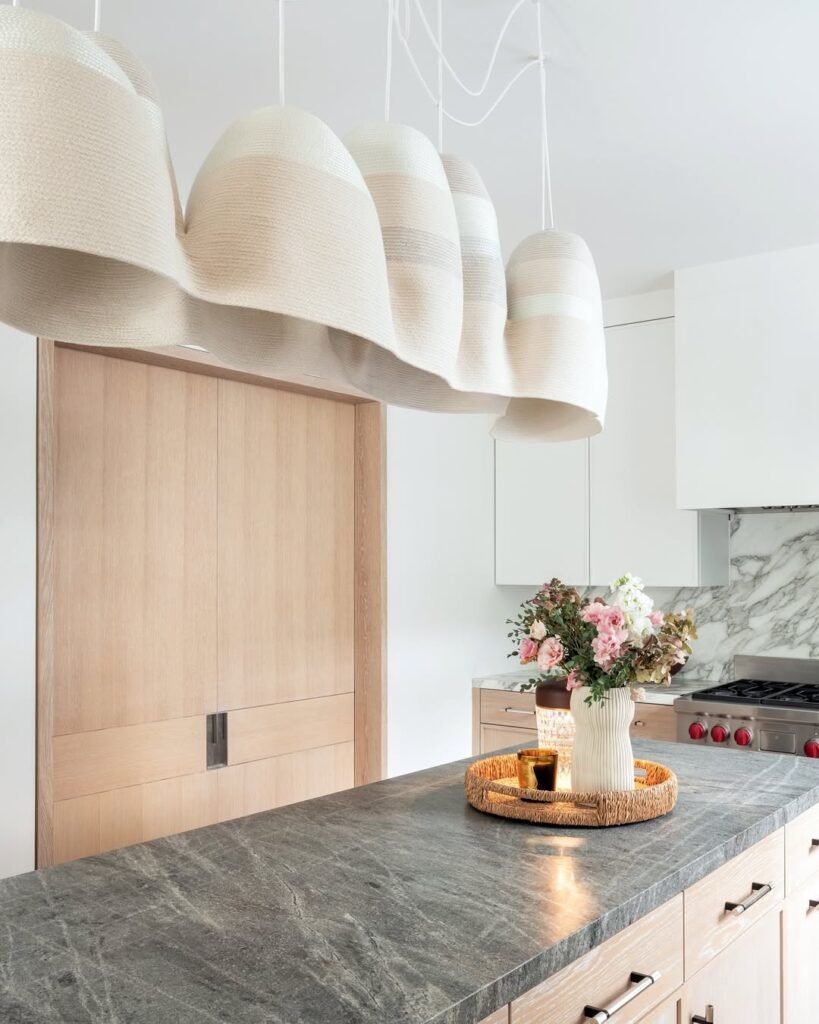
If you want a closed kitchen for the dinner party but an open one for the morning coffee, pocket doors are your MVP. In 2026, we’re seeing oversized, floor-to-ceiling wooden sliders that can “disappear” into the wall.
- Design Tip: Paint them a statement color so that when they are closed, they look like intentional architectural paneling rather than just a door.
3. The “Cased Opening”
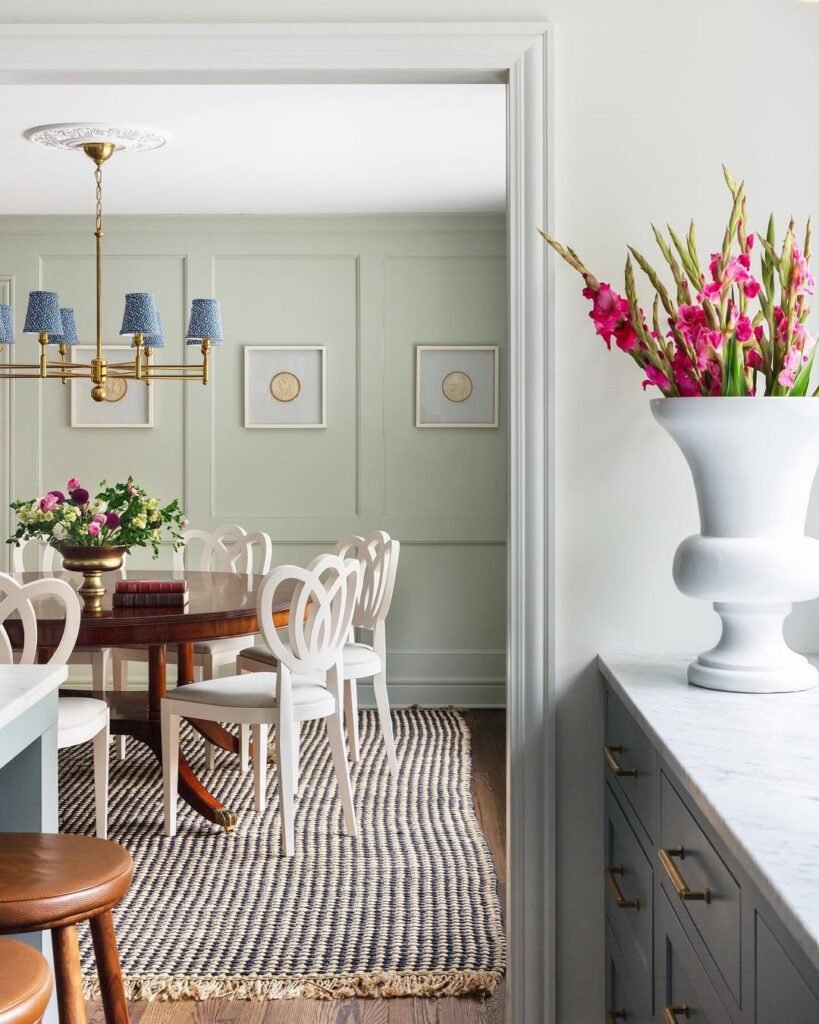
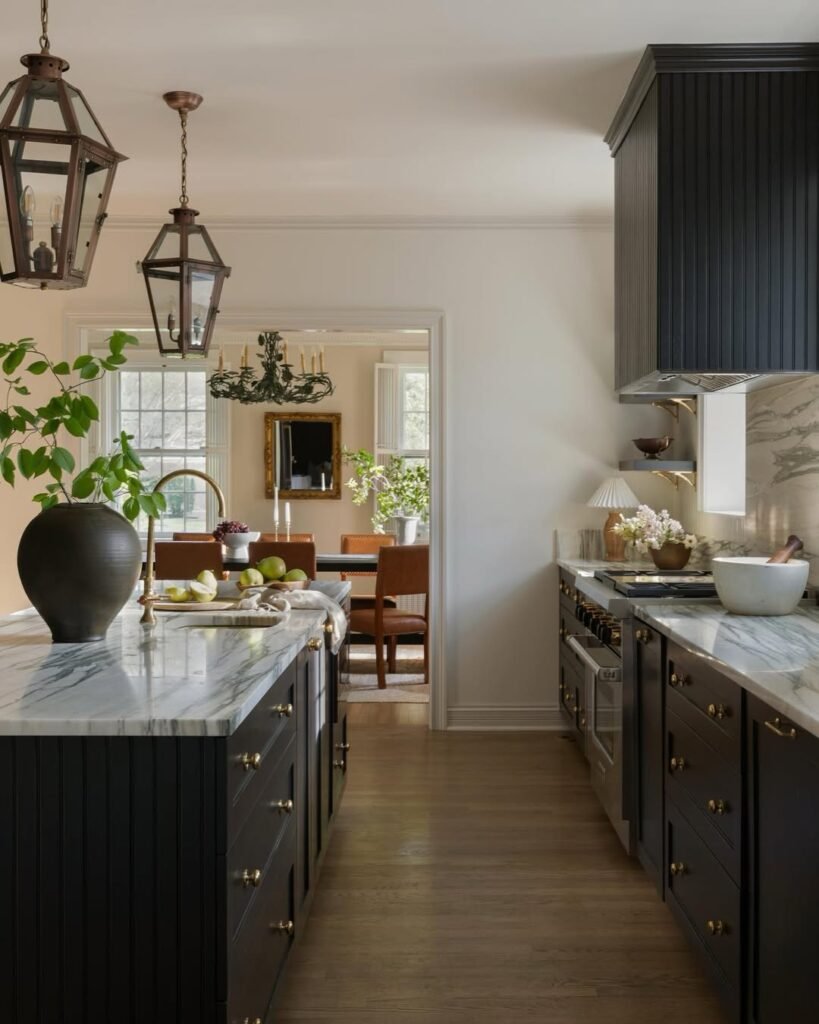
Sometimes, all a room needs is a frame. Instead of a 20-foot wide opening, narrow it down to a 6-foot wide cased opening. It provides a psychological “threshold” that tells your brain you are moving from a relaxing space to a productive one, and it gives you more wall space for art or extra cabinets.
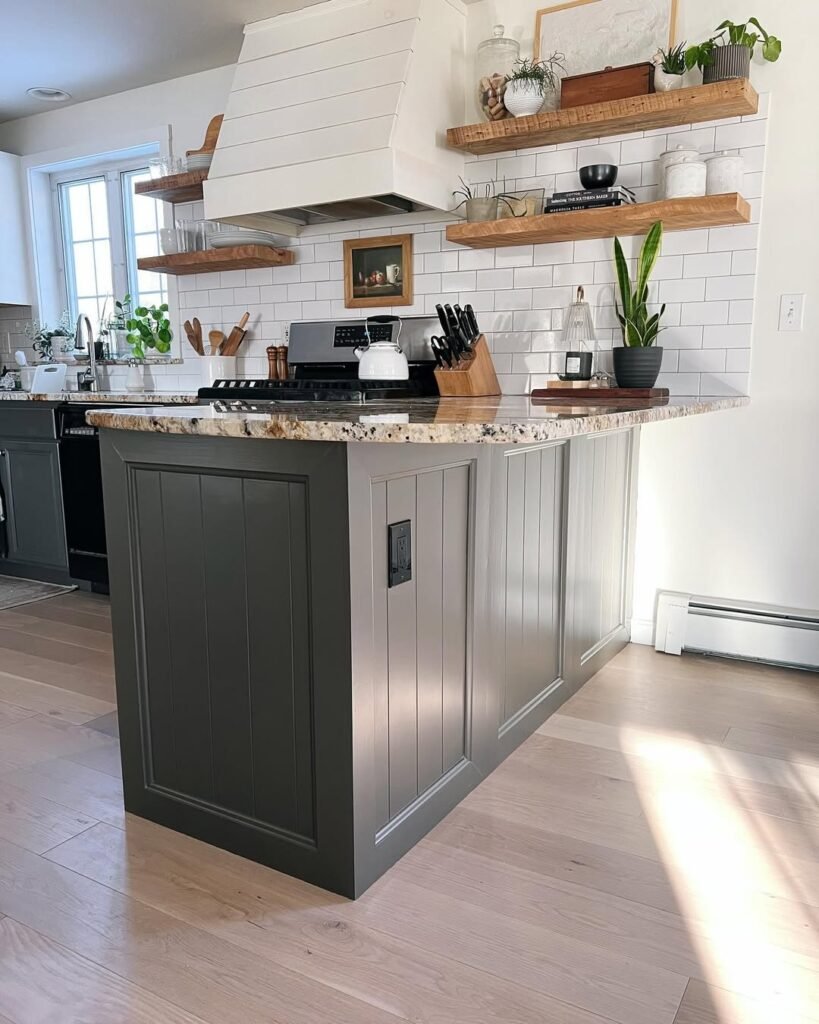
4. The Double-Sided Peninsula
Instead of a floating island, a peninsula anchored to a wall—perhaps with some open shelving hanging from the ceiling above it—creates a “zone” without a wall. It defines the kitchen footprint clearly but still lets you pass a plate of appetizers to your guests.
5. The “Furniture Partition”
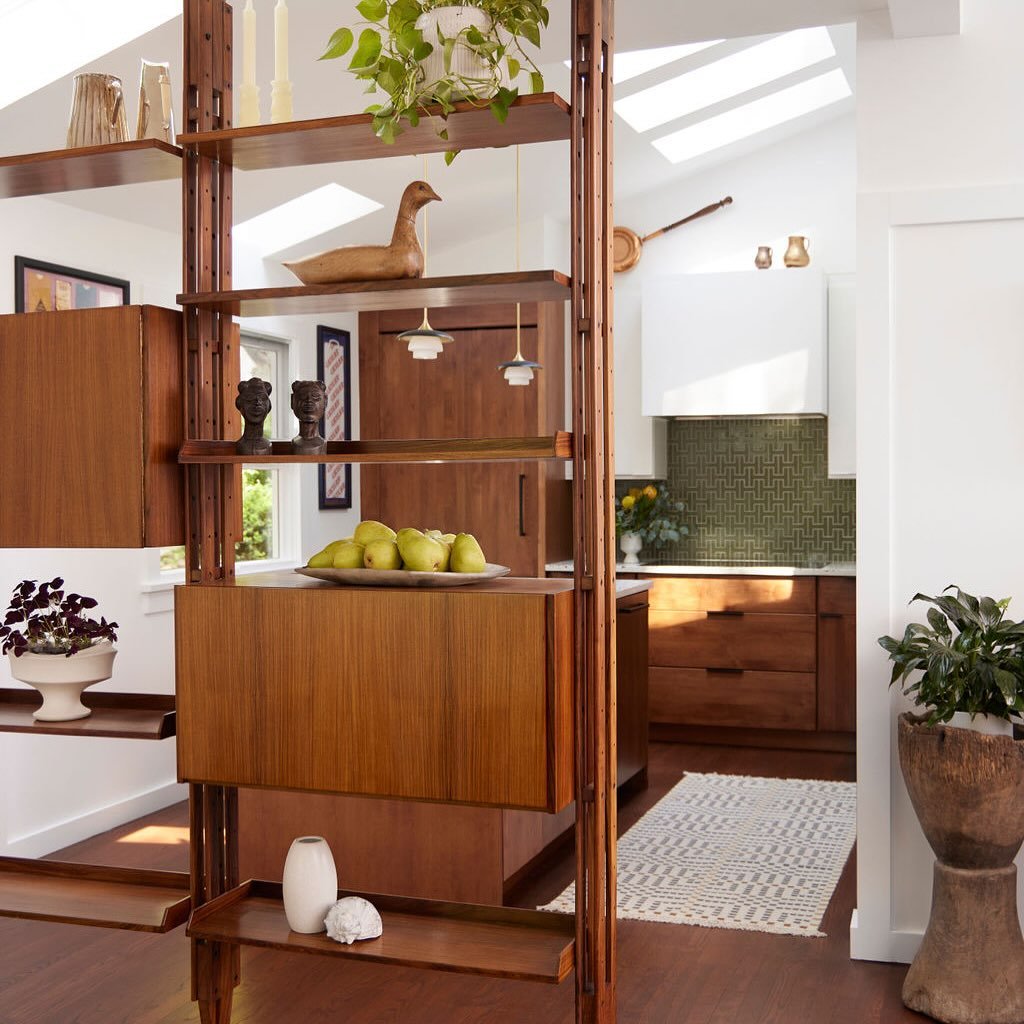
If you’re a renter or not ready for a renovation, use a tall, open-backed bookshelf as a room divider. Fill the lower shelves with beautiful baskets for kitchen storage and the upper shelves with plants and cookbooks. It acts as a screen that filters the view of the sink while keeping the air moving.